Best Smart Locks for Absolute Home Security
Upgrade your front door with the latest biometric and Wi-Fi enabled smart locks to monitor access and secure your home remotely.
Home Security Specialist
Contributor & Technical Writer
The Evolution of Door Security
Traditional brass keys are quickly becoming a relic of the past. Meanwhile, the modern home is secured by smart locks—electronic devices that replace or modify your existing deadbolt to allow keyless entry via a smartphone app, numeric keypad, or even biometric fingerprint scanning. Subsequently, smart locks offer unprecedented convenience; you can lock or unlock your door from halfway around the world, grant temporary access codes to guests or delivery drivers, and receive instant notifications whenever your door is opened.
Wi-Fi vs. Bluetooth vs. Z-Wave
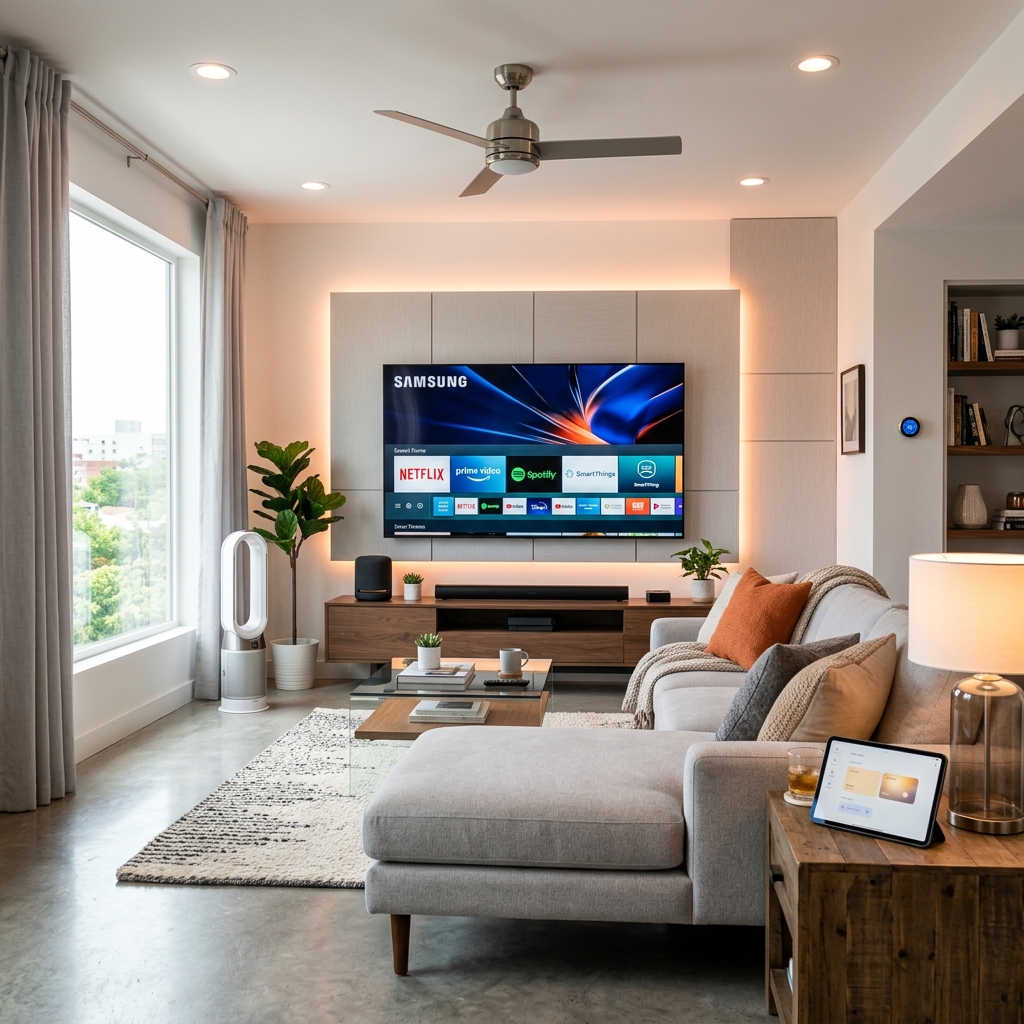
When selecting a smart lock, you must consider how it connects to your network. Specifically, bluetooth locks are highly secure and battery-efficient, but they require you to be standing right next to the door to operate them via your phone. As a result, wi-Fi locks connect directly to your home router, allowing for remote operation from anywhere, but they drain batteries significantly faster. However, z-Wave locks require a dedicated smart home hub (like Samsung SmartThings) but offer the best balance of battery life and remote capability. In addition, another emerging standard is Thread/Matter, which provides low-latency peer-to-peer communication with minimal power requirements. Consequently, managing smart locks is critical for achieving optimal speeds.
Security Concerns: Can They Be Hacked?
The most common question regarding smart locks is their vulnerability to hackers. While no electronic system is 100% impenetrable, reputable brands like August, Schlage, and Yale utilize military-grade AES 128-bit encryption for their digital communications. Additionally, in reality, a burglar is far more likely to kick in your door or smash a window than they are to sit on your porch attempting to cryptographically hack your Wi-Fi lock. Furthermore, physical lock-picking remains a far higher threat than digital intrusion.
Frequently Asked Questions (FAQ)
Q: What happens to a smart lock if the power or internet goes out?
A: Most smart locks run on standard AA/AAA batteries or internal rechargeable packs, so they will continue to lock/unlock locally. Wi-Fi remote access will be lost, but keypads and physical backup key cylinders will still function.
Q: How long do smart lock batteries usually last?
A: Bluetooth and Z-Wave locks typically last 9 to 12 months. Pure Wi-Fi locks deplete batteries much faster, usually needing replacements every 3 to 6 months depending on usage.
Q: Can I integrate my smart lock with Apple HomeKit or Google Home?
A: Yes, most modern smart locks support these ecosystems. Look for locks that carry the "Matter" certification to ensure seamless cross-platform support with Siri, Google Assistant, and Alexa.
To learn more about related technologies, check out our guide on how to secure your IoT devices. Therefore, for additional industry resources and guidelines, visit the official Consumer Reports. Consequently, managing smart locks is critical for achieving optimal speeds.
Conclusion
A high-quality smart lock is one of the most impactful electronic upgrades you can make to your home. Consequently, it eliminates the anxiety of losing physical keys and provides detailed logs of exactly who enters your home and when, establishing a robust first line of defense for your property.
Share this guide