The Future of IoT: How Everyday Electronics Are Becoming Smarter
Delve deep into the architecture of the Internet of Things, exploring how cloud processing and 5G are turning mundane household objects into highly intelligent, autonomous electronics.
Technology Futurist
Contributor & Technical Writer
The Future of IoT: Concept Behind the Internet of Things
In this article, we analyze the core concepts of future of IoT to help you build a reliable, high-performance home system. Subsequently, the Internet of Things, commonly abbreviated as IoT, is a technological paradigm that has moved from obscure academic whitepapers to mainstream reality over the last decade. Consequently, at its core, IoT refers to the massive, globally distributed network of physical objects—the "things"—that are embedded with microscopic sensors, microprocessors, and wireless communication technologies. Therefore, the sole purpose of these embedded electronics is to connect and exchange vast amounts of data with other devices and centralized systems over the internet.
This means taking historically "dumb" everyday electronics—from light bulbs, coffee makers, and washing machines to industrial factory robotics and agricultural soil monitors—and injecting them with digital intelligence. Meanwhile, the ultimate goal is to allow these devices to communicate seamlessly with human users, mobile applications, and each other, automating complex tasks and providing actionable insights that were previously impossible to gather. Consequently, managing future of IoT is critical for achieving optimal speeds.
Transforming the Home Environment: The Smart Ecosystem
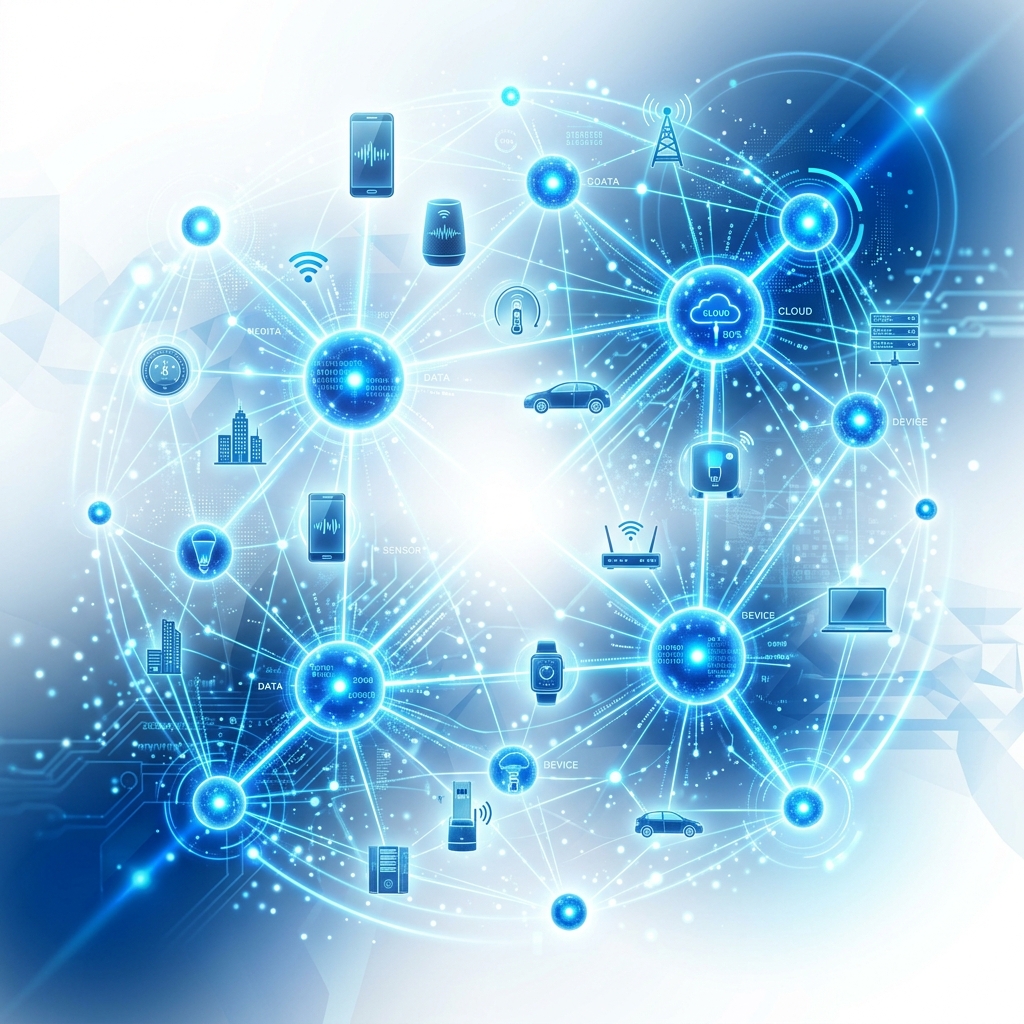
The most visible and immediately impactful application of IoT technology for the average consumer is within the smart home sector. As a result, modern thermostats, such as those manufactured by Nest or Ecobee, are no longer simple temperature dials. However, they are sophisticated AI-driven electronic devices that utilize machine learning algorithms to map your daily schedule, track the GPS location of your smartphone, and monitor local weather patterns. In addition, they use this data to preemptively optimize your HVAC system, drastically reducing energy consumption while ensuring your home is at the perfect temperature the moment you walk through the door.
Similarly, smart refrigerators have evolved into kitchen command centers. Additionally, equipped with internal cameras and inventory tracking software, they can alert your smartphone when you are running low on specific groceries, automatically order milk from Amazon when supplies dwindle, and even suggest recipes on a front-mounted digital display based exclusively on the ingredients currently inside. Furthermore, these advancements turn a static, reactive house into a proactive, responsive ecosystem. Specifically, by processing behavioral data in real-time, these interconnected electronics offer a level of convenience that actively improves daily life while simultaneously reducing domestic waste.

The Role of Data and Cloud Computing
The true, transformative power of IoT does not lie in the physical hardware itself, but in the massive oceans of data it generates. Therefore, a smart fitness tracker strapped to your wrist isn't just counting steps; it is continuously collecting granular biometric data, including heart rate variability, blood oxygen saturation, and sleep cycles. However, the tiny microchip inside the watch lacks the computational power to analyze this data meaningfully.
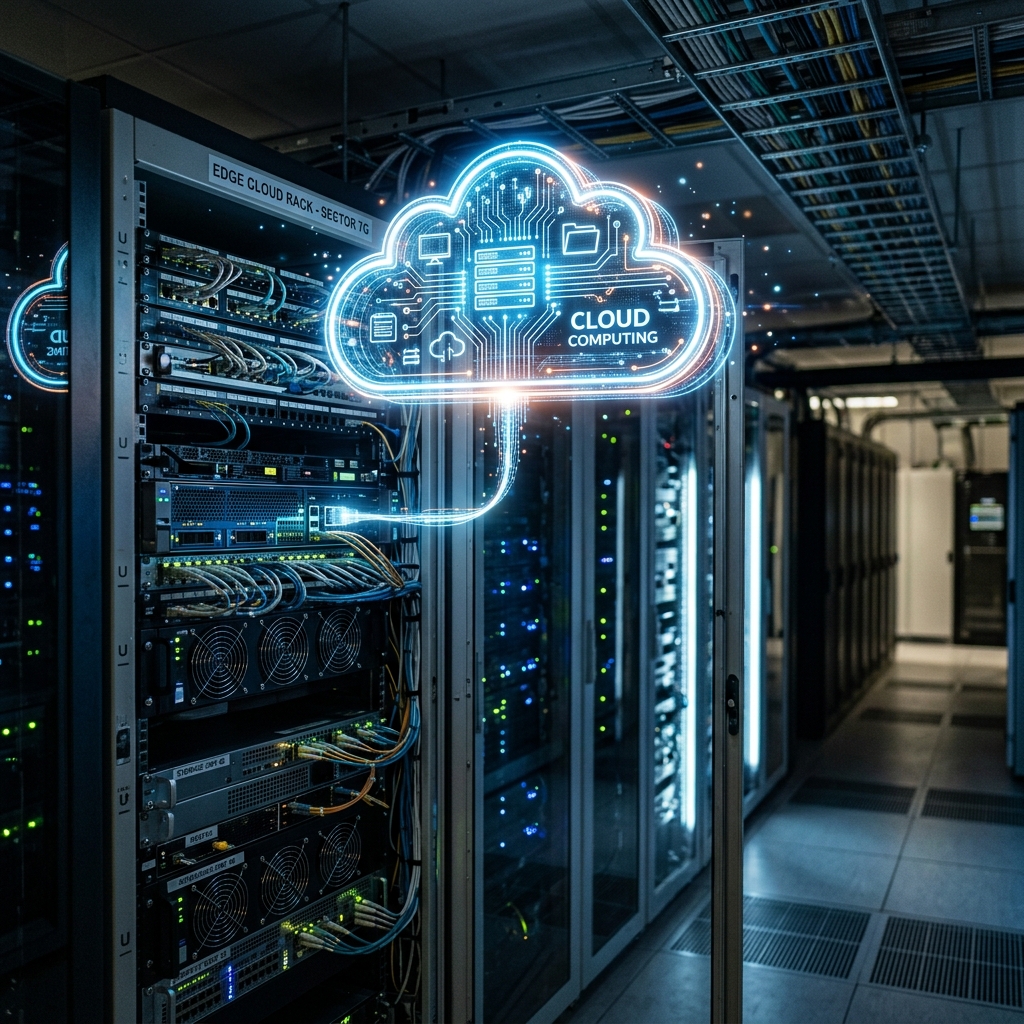
This is where Cloud Computing becomes the backbone of the IoT revolution. Meanwhile, the raw data is transmitted wirelessly from the "edge" device (your watch) to massive, centralized cloud server farms maintained by companies like Apple or Google. Subsequently, in the cloud, highly sophisticated artificial intelligence algorithms analyze your data against millions of other users, identifying subtle health trends and providing highly personalized, predictive health insights back to your smartphone in seconds. Consequently, without the infinite processing power and storage capacity of cloud computing, IoT devices would be nothing more than basic digital sensors.
Security and Privacy Challenges in an Interconnected World
As we increasingly surround ourselves with internet-connected microphones, high-definition cameras, and biometric sensors, privacy and cybersecurity transition from abstract concepts into paramount, immediate concerns. However, historically, the IoT industry operated with a "ship first, secure later" mentality. In addition, many manufacturers prioritized rushing cheap, novel electronic products to market over implementing robust security protocols or encryption standards.
This gross negligence has led to numerous high-profile cyber incidents. As a result, hackers have frequently exploited vulnerabilities in cheap smart cameras to spy on homeowners, or hijacked thousands of unsecured smart plugs to create massive "botnets" capable of launching devastating Distributed Denial of Service (DDoS) attacks that cripple major websites.
Moving forward, it is absolutely crucial for consumers to practice defensive purchasing. Specifically, only acquire smart electronics from highly reputable brands (like Philips, Amazon, Google, or Apple) that possess a proven track record of offering regular firmware security updates and maintaining clear, transparent privacy policies regarding exactly how user data is collected, encrypted, stored, and utilized.
To learn more about related technologies, check out our guide on essential smart home devices. Furthermore, for additional industry resources and guidelines, visit the official IoT World Today. Consequently, managing future of IoT is critical for achieving optimal speeds.
Conclusion
The Internet of Things is not a passing technological fad; it is the fundamental infrastructure of the next phase of the digital revolution. Consequently, as high-speed 5G networks continue to expand globally and artificial intelligence becomes exponentially more sophisticated, the capabilities of everyday electronics will grow immensely. Therefore, we are rapidly accelerating toward a future where our environments anticipate our physical needs, blurring the line between the physical world and the digital realm. Additionally, embracing IoT means embracing a more connected, efficient, and intelligent way of living, provided we remain vigilant about the security of the devices we invite into our homes.
Share this guide